

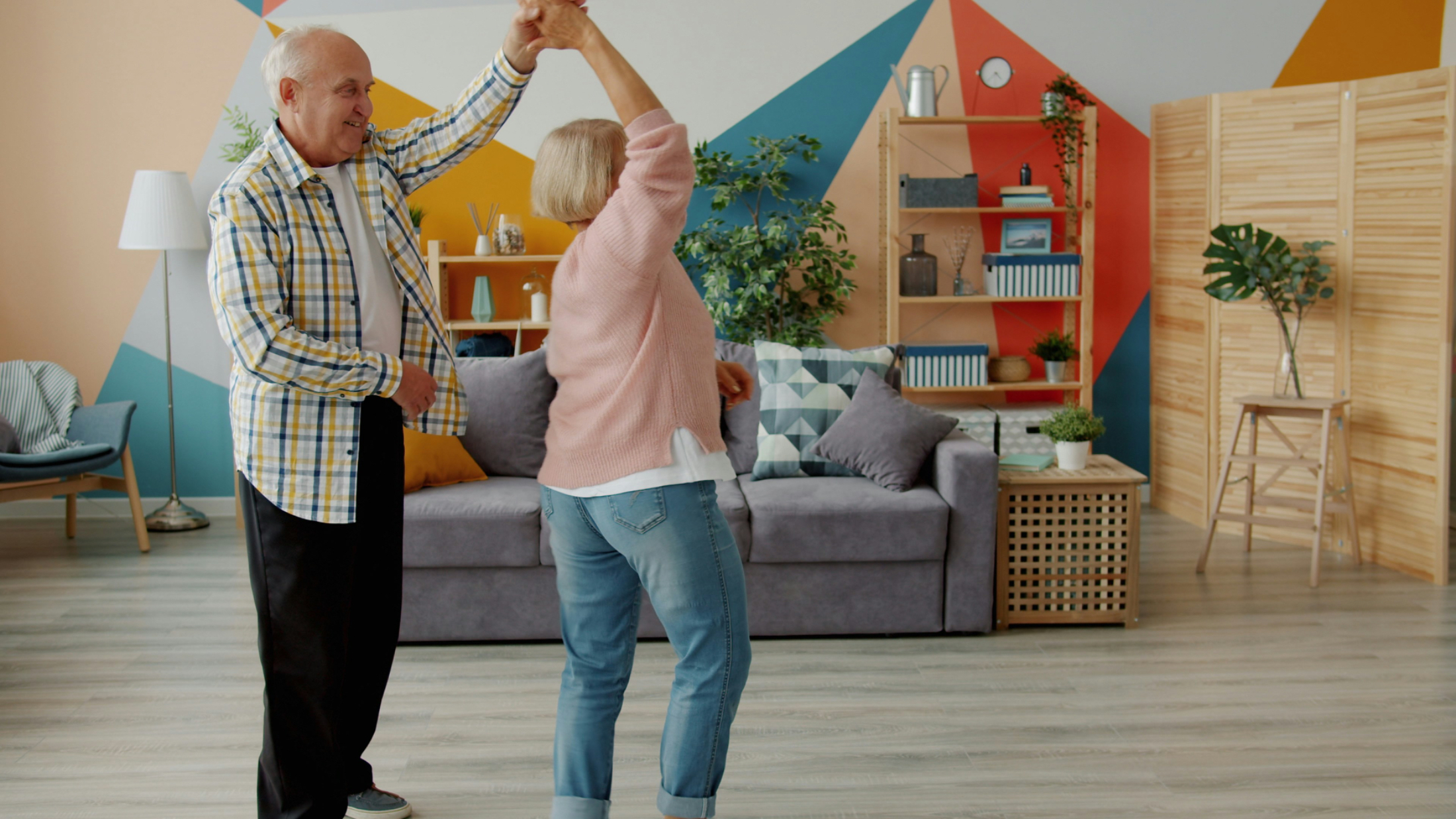
Survey after survey about Canadians’ preferences when it comes to aging have made one thing crystal clear: nearly every one of us wants to stay independent and in our own homes for as long as possible. But getting older can present a unique set of challenges that can make it more difficult, uncomfortable or even unsafe to continue living in the place we call home.
Luckily, whether it’s for your parents, yourself, or anyone else you care about, here are a few simple, easy and relatively inexpensive changes you can make now to help your loved ones stay safe, healthy and at home as they age:
· Lighting—add extra lighting both inside and outside the home to make rough or uneven surfaces easier to see, and consider installing motion-sensor nightlights on the front walkway and along the most direct path from the bedroom to the bathroom to help prevent accidental late-night falls.
· Stairways—make sure all indoor and outdoor stairs have railings, offer good traction, and have sturdy, easy-to-grip handrails on both sides. You can also add a high-visibility, reflective or textured strip in a contrasting colour at the top and bottom step or along the front edge of each stair.
· Bathrooms—bathrooms are the one room in the house where the most falls tend to occur. To keep yourself or your loved ones safe, use a non-slip bathmat with a rubberized backing, add extra non-slip surfaces in the tub or shower, plug a nightlight into the bathroom outlet, and install well-anchored grab bars in and around the shower, tub and toilet. You could also consider upgrading the toilet to a raised seat, adding a shower seat to use in the tub, or changing the tub or shower to a walk-in model.
· Kitchens—change the cupboard knobs or handles to easy-grip models, make sure the appliances all have clearly-labelled “off” and “on” settings, and reorganize the cupboards and pantry to make sure the things that are used most often are all easily accessible between knee and shoulder height.
· Flooring and walkways—put a bench in the front hallway to sit on when putting on or removing shoes or boots, remove loose mats and throw rugs from the living, dining and other main areas, and secure or get rid of any loose extension cords and other potential trip hazards. If the floors are hardwood or tile, use non-skid wax or cleaning products. And be sure to sell, donate or throw away any furniture that has sharp edges, or which feels loose or wobbly.
· Outdoor spaces—keep the outdoor stairs, pathways, and deck or patio in good condition, repair any cracks in the pavement or sidewalk, and make a habit of clearing away snow, leaves and other clutter from the front steps and walkways. If the address of the home isn’t easily visible from the street, exchange the numbers for something larger or install extra lighting to make it stand out.
Find out more
To find out more about the challenges and solutions of aging at home, check out the Government of Canada’s Safe Living Guide—A Guide to Home Safety for Seniors or email us any questions you may have about buying, selling or maintaining your home.
 The data relating to real estate on this website comes in part from the MLS® Reciprocity program of either the Greater Vancouver REALTORS® (GVR), the Fraser Valley Real Estate Board (FVREB) or the Chilliwack and District Real Estate Board (CADREB). Real estate listings held by participating real estate firms are marked with the MLS® logo and detailed information about the listing includes the name of the listing agent. This representation is based in whole or part on data generated by either the GVR, the FVREB or the CADREB which assumes no responsibility for its accuracy. The materials contained on this page may not be reproduced without the express written consent of either the GVR, the FVREB or the CADREB.